
192.168.0.1 Admin Login
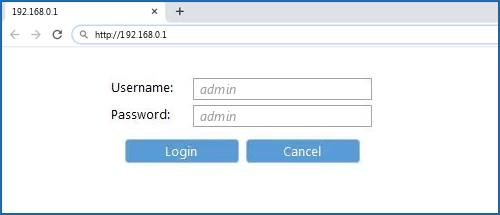
To manage your Wi-Fi settings or see who’s using your network, open your browser and enter 192.168.0.1. This will take you to your router’s control panel, where you can update passwords, adjust settings, and optimize performance for a faster, more secure connection.
How to Access the 192.168.0.1 Admin Login
Getting into your router through 192.168.0.1 is not rocket science it is just about knowing where to click. Think of it like stepping into your Wi-Fi’s cockpit. From here you can tweak speed rename your network or lock out nosy neighbors.
- Make sure you are connected either over Wi-Fi or with a cable. No link no login page.
- Open a browser you like Chrome Safari Edge does not really matter.
- Type http://192.168.0.1 in the address bar and hit Enter. Just make sure you’re using zeros, not the letter O.
- A login page should pop up. If not give it a moment or refresh the page.
- Look at the sticker on the back of your router — you will see the default username and password. Type them exactly.
- Once you are in you will see your router’s dashboard the heart of your connection. Rename your Wi-Fi change your password or explore safely.
Default Login Credentials for Popular Router Brands
When you unbox a new router it usually comes with ready-made login details known as default credentials. Think of them as the starter keys that open your router’s setup panel for the first time. Each brand whether it is D-Link TP-Link or Netgear uses its own mix of usernames and passwords. Knowing these details helps you sign in create your Wi-Fi name and set a stronger password and fine-tune your security settings right from the start.
- Check the Label on Your Router: Flip your router over and look for a small sticker. You Will usually see your default IP address username and password printed there.
- Peek Inside the User Manual: The quick-start guide or user manual that came in the box almost always lists the same information. Big names like TP-Link D-Link and Netgear also post these details on their support pages if you have misplaced the paper copy.
- Try the Common Default Logins
- Here are a few combinations that often work right out of the box:
| Brand | Username | Password |
|---|---|---|
| TP-Link | admin | admin |
| D-Link | admin | (leave blank) |
| Netgear | admin | password |
| Linksys | admin | admin |
| ASUS | admin | admin |
| Belkin | (blank) | (blank) |
| Tenda | admin | admin |
| Cisco | admin | cisco |
- Log in through your browser: Once you have the correct login details, connect your device to the router — Wi-Fi or cable, either works fine. Open your preferred browser, type 192.168.0.1 in the address bar, press Enter, and sign in when prompted.
- Create a new password: After logging in, immediately change the default password. Leaving it unchanged can expose your network to risks. Pick something strong — blend uppercase and lowercase letters, numbers, and a few special symbols.
- Keep your new details safe: Write your new login info on a small note and keep it somewhere secure — maybe taped under the router or stored in a trusted password manager. It will save you trouble later if you ever need to log in again.
How to Reset Your Router When Locked Out
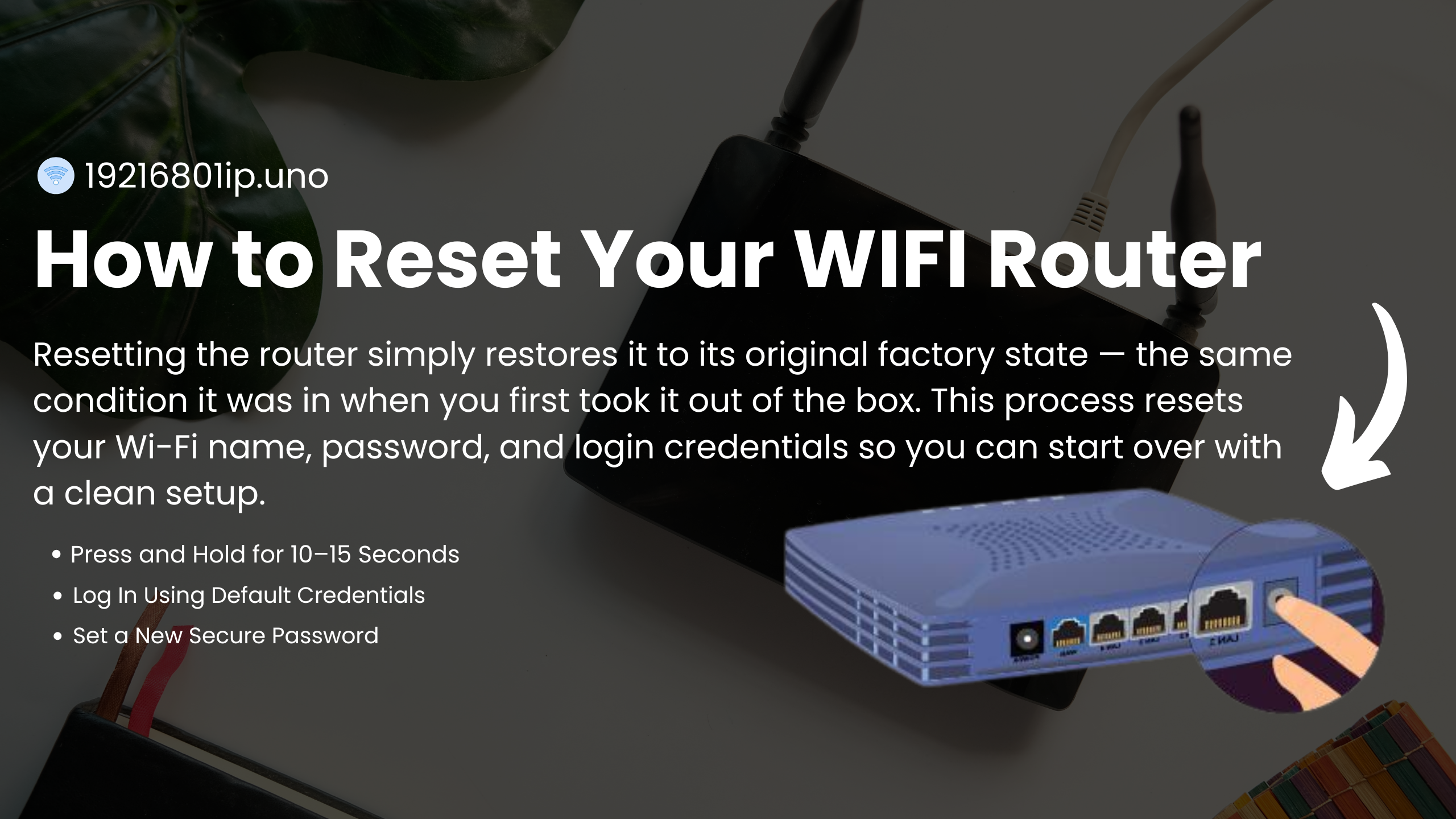
It is frustrating when you ca not log in to your router, but the fix is easier than most people think. Resetting the router simply restores it to its original factory state — the same condition it was in when you first took it out of the box. This process resets your Wi-Fi name, password, and login credentials so you can start over with a clean setup.
- Locate the Reset Button: Take a quick look at your router. You’ll usually find a small, recessed button labeled “Reset” on the back or bottom. Because it’s tiny, you’ll need something thin like a paper clip, pin, or toothpick to press it.
- Press and Hold for 10–15 Seconds: Use your pointed tool to gently press and hold that button for about 10 to 15 seconds. Keep it pressed until you see the router’s lights flicker — that’s the sign it’s rebooting to its default state.
- Wait for the Router to Reboot: After you release the button, the router will restart automatically. Give it a minute or two to fully power back up. Once the indicator lights stop blinking, the reset process is complete.
- Log In Using Default Credentials: After a reset, the router goes back to its original login details. You can find these printed on the sticker underneath the router or inside the user manual. Open your browser, type 192.168.0.1 in the address bar, and log in using those default credentials.
- Set a New Secure Password: Once you’re inside the admin panel, change your password immediately. Create a strong one using a mix of letters, numbers, and symbols to protect your connection from unauthorized users. A unique password keeps your network safe.
- Store Your New Details Safely: Write down your new login details somewhere secure. You can keep them inside the router box or store them in a password manager. That way, you’ll always have them on hand if you need to access the router again.
How to Change Your Router’s IP Address
Changing your router’s IP address adds an extra layer of privacy and helps protect your home network from unauthorized access, keeping your internet connection more secure and personalized.
- Log in to Your Router Panel: Open your browser and type 192.168.0.1 (or your current router IP) in the address bar. Enter your username and password to access the router’s settings dashboard.
- Open the Network or LAN Settings: Once inside, look for a menu labeled Network, LAN, or Setup. This is where your router’s local IP information is stored. Every brand places it slightly differently.
- Enter a New IP Address: Find the field showing your current IP address and replace it with your preferred one (for example, 192.168.10.1). Make sure it doesn’t conflict with other devices on your network
- Save Changes and Restart the Router: After updating the IP address, click Save or Apply. The router will automatically reboot to confirm the change. Log in again using your new IP address to access the panel.
Advanced Settings
Once you sign in to your router using 192.168.0.1, you’ll see a range of advanced settings designed to give you full control over your home network. These tools help you boost connection speed, tighten security, and make your Wi-Fi experience smoother for everyone at home.
A good place to begin is by changing your Wi-Fi name (SSID) and setting up a new, stronger password. It’s a simple step that keeps unwanted users off your network. Most modern routers also include an option called WPA3 encryption, which offers stronger protection than older security types and helps prevent unauthorized access.
Common Login Issues and How to Fix Them
You are not alone. Many users run into small issues that stop them from accessing their router’s admin panel. The good news is that most of these problems are easy to fix once you know what’s causing them. Here are ten of the most common issues and how to solve them in simple terms.
Entering the Wrong IP Address
Typos happen. One of the most common mistakes is typing 192.168.0.1 with the letter O instead of a zero. It looks almost the same but it wo not work. Before hitting Enter take a second to check that your address bar shows only numbers and dots no letters hiding in there.
Not Connected to the Router’s Network
If your device is not connected to the router either over Wi-Fi or through a cable that login page wo not show up at all. So before you try again, just double-check that your phone or laptop is on the same network.
Forgotten Username or Password
If your login does not go through the default details might have been changed earlier. The easiest fix is to reset the router. Find the tiny reset button on the back press and hold it with a paper clip for about 10–15 seconds, and wait for the lights to blink. That will restore the factory settings including the original username and password — so you can start fresh.